Long COVID in Children and Youth
Recognizing the symptoms, supporting children at school, and finding trusted resources for families across Canada.
- 12 common symptoms
- 6 support resources
- Sept 2026 last reviewed
More than five years into the pandemic, long COVID in children and youth is still too often dismissed, minimized or misdiagnosed across Canada.
Official prevalence estimates can appear reassuringly low, yet families and experts caution that diagnostic bias and gaps in care mean many children are being missed. This page brings together what families need to know, from the patient perspective.
Common long COVID symptoms in children
Understanding the symptoms is the first step toward better care and recognition. Long COVID can look different in every child, and these are among the most commonly reported.

Fatigue
Children with long COVID often struggle with ongoing fatigue. Even with enough rest they may still feel drained, which can make it difficult to keep up with school, sports or everyday activities.

Headaches
Headaches and migraines are another lingering symptom for some children. They can be intense enough to disrupt focus, making it harder to feel well and stay engaged in daily life.

Neurological impact on mental health
SARS-CoV-2 can have profound effects on the brain. Children and young adults may experience depression, anxiety or panic attacks as a direct consequence, not simply as a psychological response.

Gastrointestinal symptoms
Long COVID can affect the digestive system, causing nausea, abdominal pain, diarrhea and vomiting. These symptoms may come and go, yet can significantly disrupt eating, hydration and quality of life.

Cognitive impairment
SARS-CoV-2 can affect the brain, resulting in poor concentration, memory loss and difficulty completing mental tasks. For children, this can interfere with learning, problem solving and development.

Muscle and joint pain
Inflammation can leave children with ongoing soreness, weakness or reduced range of motion, interfering with their ability to exercise, build strength or maintain independence in everyday life.

Breathing difficulties
Some children develop lasting shortness of breath, chest discomfort or a persistent cough. These can affect play, exercise and daily routines, regardless of how severe the original infection was.

Persistent sleep problems
SARS-CoV-2 can affect the brain regions that regulate sleep and breathing, leading to insomnia, frequent waking or excessive sleepiness. These are neurological effects, not simply stress or habit changes.
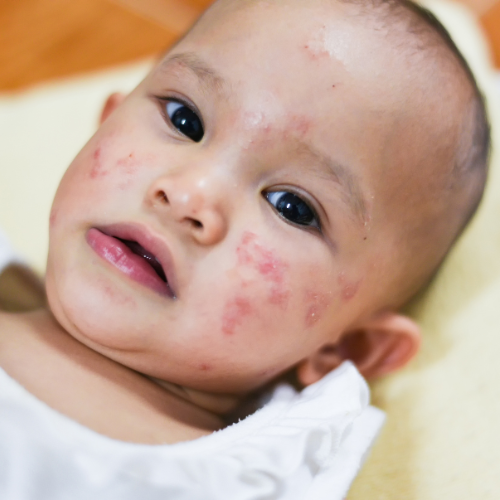
Skin rashes and mouth sores
Some children develop itchy hives, rashes and painful sores inside the mouth that make eating or brushing difficult. These can be driven by newly developed mast cell activation and inflammation, not just allergies.

Dental concerns
After COVID, some children develop mouth sores, more cavities or tooth pain. The virus can damage the glands that produce saliva, leaving teeth more fragile and in need of care from dentists who understand these changes.
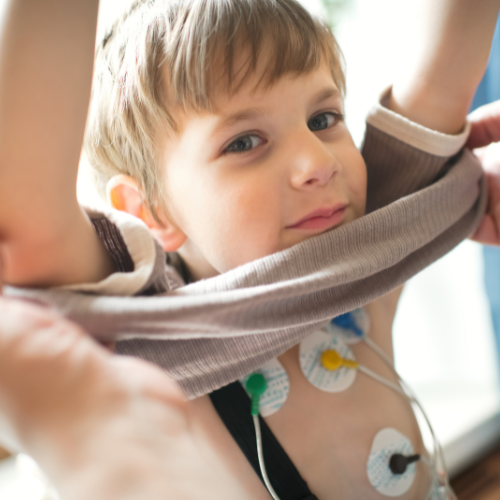
POTS and dysautonomia
Long COVID can injure or dysregulate the autonomic nervous system, leading to POTS and other forms of orthostatic intolerance. Signs include dizziness, a racing heart on standing, fainting, chest discomfort and exercise intolerance.

Post exertional symptom exacerbation (PEM)
Even small amounts of physical or mental activity can trigger a delayed worsening of symptoms. Fatigue, pain and cognitive problems may intensify hours or days later and last for an extended period.
Long COVID in schools
Long COVID, also known as post COVID-19 condition (PCC), can have profound effects on a child's health, education and future wellbeing. Persistent fatigue, brain fog, pain, anxiety and sleep problems can last months or even years.
These symptoms affect learning, concentration, attendance, safety and social participation. Without the right support, children risk falling behind indefinitely.
Classroom density matters too. Research shows that overcrowding can undermine even well designed ventilation and public health measures, allowing viruses to spread more easily.
Guides for healthier indoor air
Clean classroom air is a vital safeguard against COVID-19, measles and other airborne illnesses, as well as wildfire smoke and pollution. These resources are ready to share with your school.
A Collective Call for Action on Healthy Indoor Air in Schools and Child Care
From the Canadian Partnership for Children's Health and Environment: a brief urging governments to fund indoor air quality standards for education settings, ventilation and filtration upgrades, clear communication, and action focused on equity, including for communities on reserve.
Open the PDF (opens in a new tab)Long COVID at School: Recommendations and Good Practice
Urges policymakers and schools to provide flexible, individualized accommodations and to improve indoor air by optimizing ventilation and adding filtration, such as HEPA or MERV 13 filters, portable HEPA units or Corsi Rosenthal boxes.
Open the PDF (opens in a new tab)7 Back to School Clean Air Tips for Classrooms
Practical steps for a healthier return to class, from equipping children with masks, sanitizer and water bottles to keeping sick children home, working with teachers and schools, and considering a personal desk purifier for students at higher risk.
Read the guide (opens in a new tab)
Where families can turn
Organizations, communities and guides focused on children and youth living with long COVID.
- Canada
Canadian Covid Society
Volunteer run group sharing COVID-19 guidance and tools for Canadians, with a focus on clean air, safer healthcare and long COVID awareness.
Visit website for Canadian Covid Society (opens in a new tab) - International
Long Covid Kids
A global charity representing and supporting children, young people and their families affected by long COVID.
Visit website for Long Covid Kids (opens in a new tab) - International
Long Covid Families
Nonprofit advocacy and support group raising awareness of post viral illness and long COVID in children.
Visit website for Long Covid Families (opens in a new tab) - International
Long Covid The Answers
An independent site with a dedicated section on children, including guidance on recognizing symptoms and supporting recovery.
Read the kids section for Long Covid The Answers (opens in a new tab) - International
Long Covid Physio
An international association of physiotherapists living with long COVID, and their allies, sharing guidance on safe rehabilitation.
Visit website for Long Covid Physio (opens in a new tab) - Video
Long Covid Kids on video
A short video from Long Covid Kids about children and young people living with long COVID.
Watch the video for Long Covid Kids on video (opens in a new tab)
Research, clinics and resources
Studies and research
Research opportunities in Canada, including studies for children.
View studies →Long COVID clinics
Clinics and healthcare providers across Canada, mapped in one place.
Find a clinic →Guides and resources
Vetted guides and organizations for long COVID, ME/CFS and POTS.
Explore resources →Frequently asked questions
What are the most common long COVID symptoms in children?
Commonly reported symptoms include fatigue, headaches, brain fog and difficulty concentrating, stomach problems, muscle and joint pain, breathing difficulties, sleep problems, skin rashes and mouth sores, dizziness or a racing heart on standing (POTS), and a delayed worsening of symptoms after activity. Symptoms vary from child to child.
Can children develop long COVID after a mild infection?
Yes. Long COVID can follow infections of any severity, and children may develop lasting symptoms regardless of how severe their original illness was.
How can schools support a child with long COVID?
The CAN-PCC good practice statement recommends flexible, individualized accommodations such as flexible schedules, reduced workloads and inclusion in individualized education plans, along with cleaner indoor air through ventilation and filtration.
Where can I find a long COVID clinic for my child?
Use the long COVID clinic map on this site to see programs across Canada. Many programs focus on adults, so ask your child’s doctor or pediatrician about referral options in your province.
Where can Canadian families find support?
The Canadian Covid Society shares guidance on clean air and long COVID awareness, and international groups such as Long Covid Kids and Long Covid Families support children and their caregivers. You can also share your family’s story on this site.
Has your family been affected by long COVID?
Sharing your experience helps raise awareness and shape better care for children across Canada.
Please note: Listing a resource here is not an endorsement, and nothing on this page is medical advice. Please speak with your child's healthcare provider about their care.